
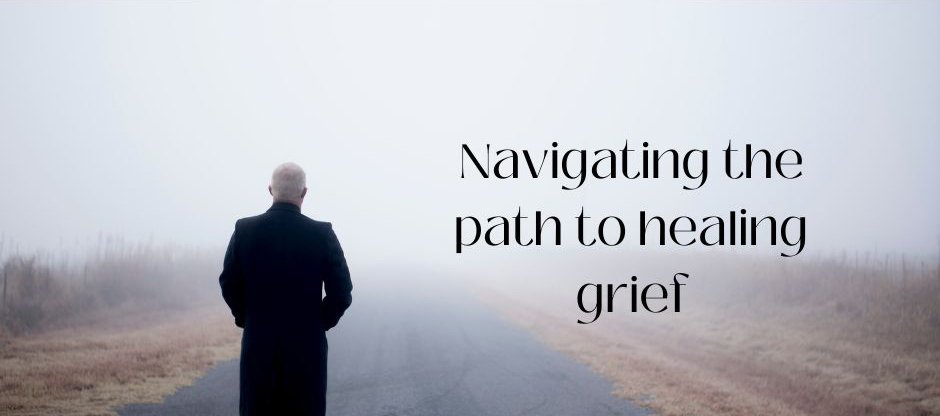
Grief is a natural and profound response to loss, an indistinguishable part of the human experience. Whether mourning the loss of a loved one, a significant relationship, a cherished possession, or even an intangible aspect of life, grief can touch us in many different ways. Although grief may seem overwhelming, confusing, and isolating, it is important to recognise that healing and growth can emerge from this deeply transformative process. In this article, we will gently explore the facets of grief and offer guidance on embracing this journey towards healing.
The Landscape of Grief:
Grief is not a linear timeline with predictable phases. Rather, it is more like a winding path through different emotional states, each one unique to the individual. Managing grief is not about reaching closure or ‘getting over’ the loss, but rather finding ways to honor it and create a new, emotionally balanced life moving forward.
Expressing and Acknowledging Emotions:
Allowing emotions to be fully experienced is a vital part of the healing process. Understand that your feelings are valid, regardless of their complexity or intensity. It is okay to cry, to feel angry, to reminisce, or to be overwhelmed with sadness. Give yourself permission to feel and express your emotions as they come, without judgment or expectation.
Sharing Your Story:
Sharing your grief with others who are empathetic and understanding can facilitate healing. Seek the support of trusted friends, family members, or support groups. Grief can be isolating, but through genuine connections, you can find solace and understanding. Remember, you are not alone in this journey.
Self-Care and Patience:
Be gentle with yourself throughout the grieving process. Practice self-care, which can include activities that bring you comfort and joy. Engage in self-compassion by not comparing your grief to others’ experiences or pressuring yourself to heal according to a specific timeline. Allow yourself the space and time needed for healing.
Redefining Life:
Grief often forces us to reevaluate our priorities and redefine our lives. This can involve preserving memories, creating new rituals, or finding meaning in the midst of pain. Letting go doesn’t mean forgetting; it means finding a new place for the loss in your life while embracing the future with hope.
Seeking Professional Help:
If grief becomes overwhelming or starts to interfere significantly with your daily life, it may be helpful to seek the support of a mental health professional or counsellor. They can provide guidance and assist you in navigating the complexities of grief, offering coping strategies tailored to your unique situation.
Conclusion:
Grief is a deeply personal and transformative journey that holds the potential for growth and resilience. By honouring your emotions, seeking support from others, practicing self-care, and being patient with yourself, the path towards healing becomes more navigable. Remember, grief is an expression of love, and in time, you can find solace and meaning while embracing life anew.
If this article is of help to you and you would like to explore your grief more please contact me.Navigating the Path of Healing
